As a pet owner, one of your top priorities is ensuring the safety and well-being of your furry friends. Whether you have a dog that loves to run around or a cat that enjoys exploring the outdoors, a secure fence is a must-have to keep your pet safe, contained, and happy. A well-chosen fence not only provides security but also gives your pet the freedom to roam within the safety of your yard.
But with so many types of fences available, how do you choose the best one for your pet? We’ll walk you through the best fence options for pets, how to determine the right fit for your needs, and tips for installation and maintenance.
1. Why Fencing Is Essential for Your Pet’s Safety
Before we dive into the types of fences, it’s important to understand the key reasons why a fence is crucial for your pet’s safety:
Prevents Escapes
A securely fenced-in yard prevents your pet from running away, which is especially important for dogs that tend to wander. A fence keeps your pets safely within the boundaries of your property and protects them from dangerous situations such as traffic, wild animals, or other potential hazards.
Keeps Your Pet Safe from Strangers
A strong fence prevents strangers or unwanted visitors from entering your yard and potentially causing harm to your pet. It also keeps your pet from engaging with unfamiliar animals, reducing the risk of fights or injuries.
Gives Your Pet Freedom
Having a fence allows your pet to explore and enjoy the outdoors safely without being on a leash. This is especially beneficial for dogs who love to run and play in an open space.
2. Types of Fences for Pets
The right fence for your pet depends on several factors: the type of pet, the size of your yard, and your budget. Below are some of the best fencing options, with pros and cons, to help you make the right choice for your furry friend.
Wood Fences: Classic and Effective
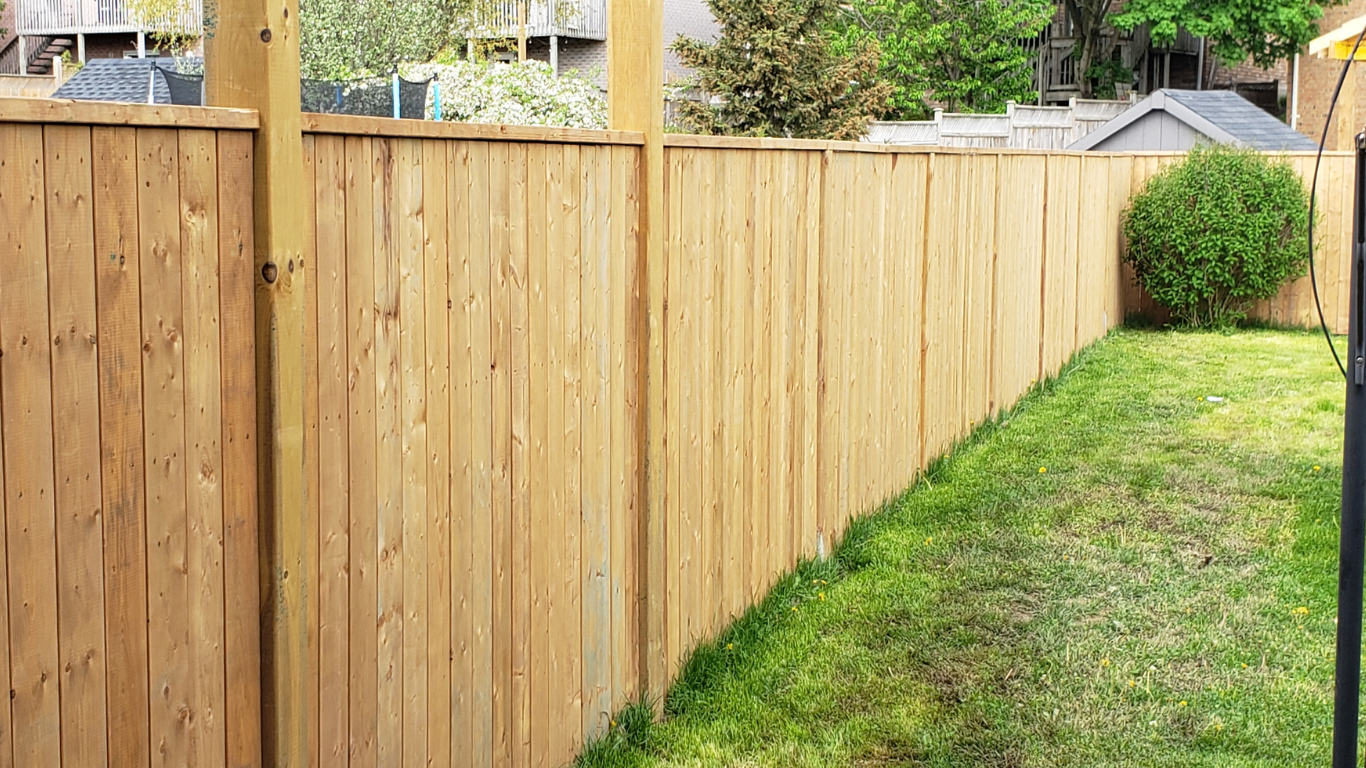
Wooden fences are a popular choice for pet owners due to their aesthetic appeal and the privacy they provide. They create a solid barrier, which is ideal for keeping pets contained.
Pros:
- Solid barrier: Wood fences are sturdy and provide a high level of privacy.
- Customizable: Wood can be stained or painted to match your home’s exterior, adding to the overall aesthetic of your yard.
- Great for larger pets: Tall wood fences are ideal for containing larger dogs that may jump or climb.
Cons:
- Maintenance: Wood fences require regular maintenance, including staining, sealing, and treating for pests like termites.
- Not ideal for digging dogs: Some dogs, especially those with digging tendencies, may try to burrow under wood fences.
Best for: Dogs that don’t dig and are good at staying within the yard. Wood is also a great option if privacy is important.
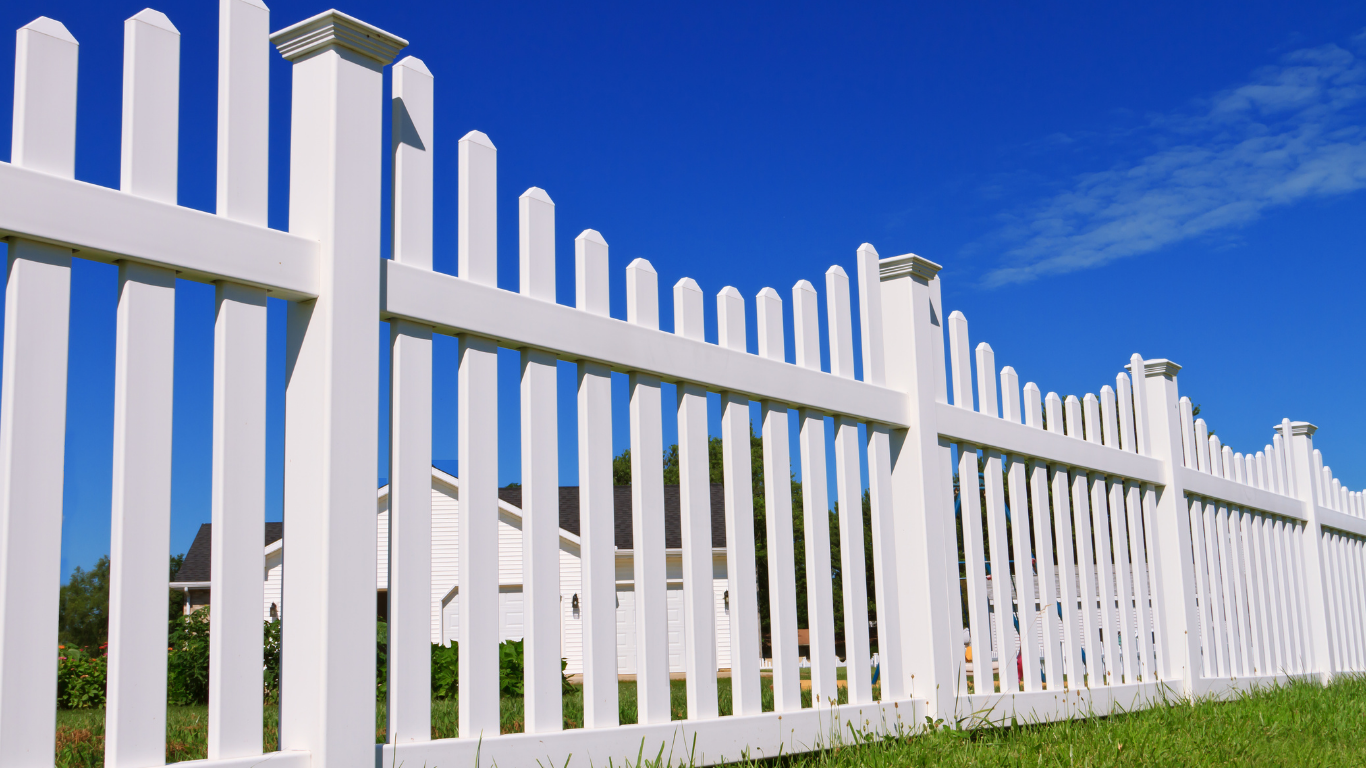
Vinyl Fences: Low-Maintenance and Durable
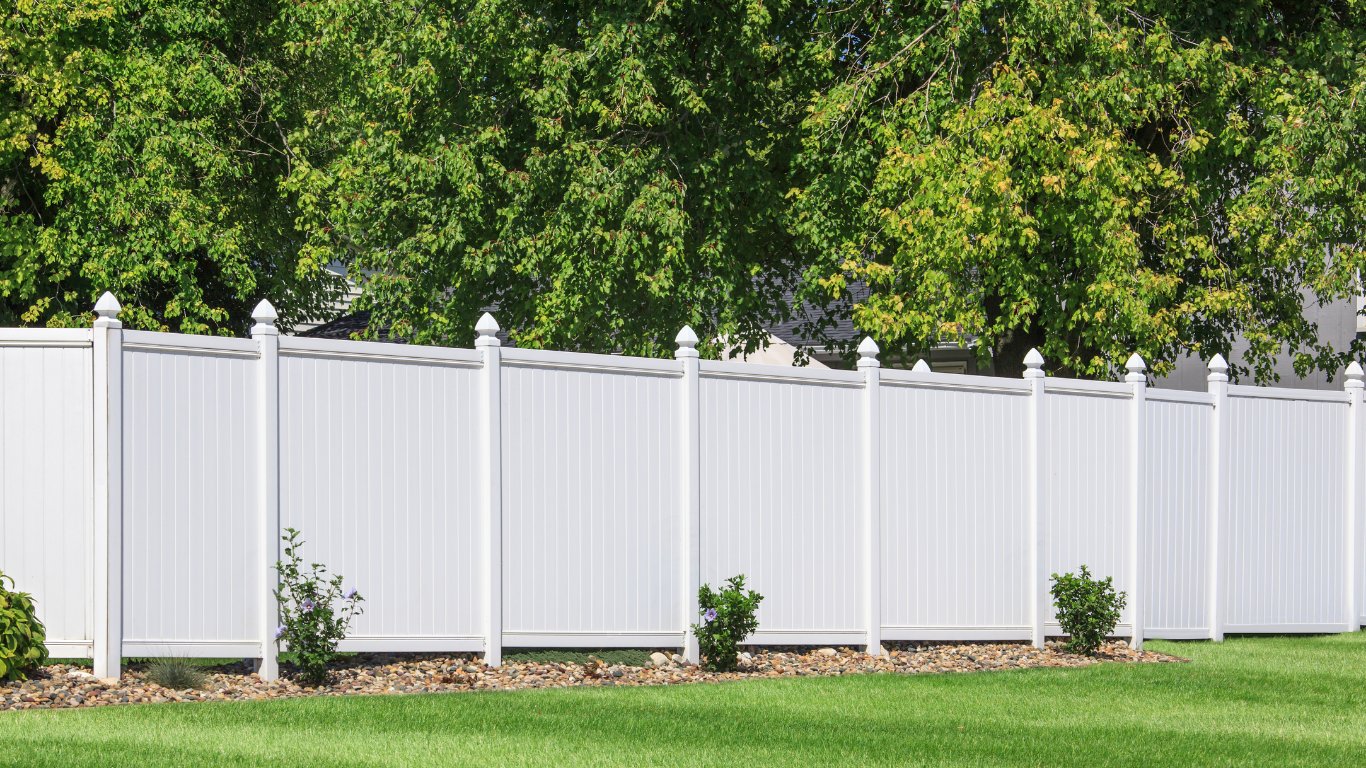
Vinyl fences are a great alternative to wood, offering low maintenance and a sleek, modern look. They are made of PVC (polyvinyl chloride), which is highly durable and weather-resistant.
Pros:
- Durable and long-lasting: Vinyl fences are resistant to weathering, fading, and pest damage.
- Easy to clean: Vinyl fences require minimal maintenance—just a simple rinse with water or a quick wash with soap and water.
- No painting or staining: Unlike wood, vinyl fences don’t need to be painted or treated regularly.
Cons:
- Limited aesthetic options: While vinyl is available in different colors and styles, it may not offer the same rustic charm as wood.
- Can be damaged by impact: Vinyl is less flexible than wood, so it may crack if hit by a heavy object or during extreme weather events.
Best for: Pet owners looking for a low-maintenance, long-lasting fence that can withstand the elements. Vinyl is a good choice for moderate to large dogs, especially those who may be tempted to jump over.
Chain-Link Fences: Affordable and Practical
Chain-link fences are an economical and effective way to secure your yard. They are commonly used for both residential and commercial properties. While they don’t offer as much privacy as other types of fences, they still provide a secure barrier for pets.
Pros:
- Affordable: Chain-link fences are one of the most cost-effective options available.
- Durable and strong: Made of galvanized steel, chain-link fences are long-lasting and tough.
- Good visibility: Chain-link fences provide clear visibility, allowing you to easily keep an eye on your pet.
Cons:
- Not private: Chain-link fences don’t offer privacy, so if your pet likes to bark at strangers, they may still be able to see them.
- Climbing risk: Some pets, especially smaller dogs, might be able to climb the fence if it’s not high enough.
Best for: Homes with large dogs or multiple pets that need a durable and cost-effective solution. Chain-link is also great for people who don’t need privacy and want to monitor their pets easily.
Invisible Fences: High-Tech and Minimalist
Invisible fences are becoming increasingly popular, particularly for owners of small dogs or properties with landscaping restrictions. These fences use underground wiring that works with a receiver collar worn by your pet.
Pros:
- No physical fence: Invisible fences don’t block your view and blend seamlessly with the landscape.
- Customizable boundaries: You can easily adjust the boundary lines based on your yard’s size and shape.
- Great for digging dogs: Since there is no physical barrier, pets that like to dig or chew on fences are less likely to get out.
Cons:
- Training required: Pets must be trained to understand the boundary, and some dogs may not respond well to the shock or noise that warns them when they’re nearing the boundary.
- Limited protection: An invisible fence only keeps your pet inside the boundary. It does not prevent other animals or people from entering your yard.
Best for: Small to medium dogs that are well-trained or owners with landscaping restrictions who still want a secure solution.
Electric Fences: Extra Layer of Security
An electric fence is a step up from the invisible fence, offering an additional shock-based deterrent if your pet attempts to cross the boundary.
Pros:
- Effective at deterring escapes: The mild shock is often enough to train pets to stay within the boundaries of the fence.
- Invisible: Like invisible fences, electric fences don’t obstruct views and are ideal for properties with landscaping or aesthetic concerns.
- Highly customizable: You can adjust the strength of the shock to suit your pet’s behavior.
Cons:
- Training required: Pets need to be trained to avoid the shock, and this may take some time.
- Not suitable for all pets: Some pets, especially those with more sensitive temperaments, may react poorly to the shock.
Best for: Pet owners looking for an effective deterrent who don’t mind investing in training their pets.
3. Considerations When Choosing a Pet Fence
While selecting the right fence for your pet is important, there are several other factors to keep in mind to ensure maximum safety and security for your furry friends.
Height of the Fence
The height of your fence is a critical factor, especially for dogs that are known to jump or climb. The standard height for most fences is around
6 feet, which is typically sufficient for most pets. However, if you have a
large dog or a pet that likes to jump, you may want to opt for a
taller fence, possibly 8 feet or higher.
Strength of the Material
Choose a fence material that suits your pet’s behavior. For example, if you have a dog that loves to chew on things, you might want to avoid wood, as it can be chewed through. Metal or vinyl may be more durable options for these pets.
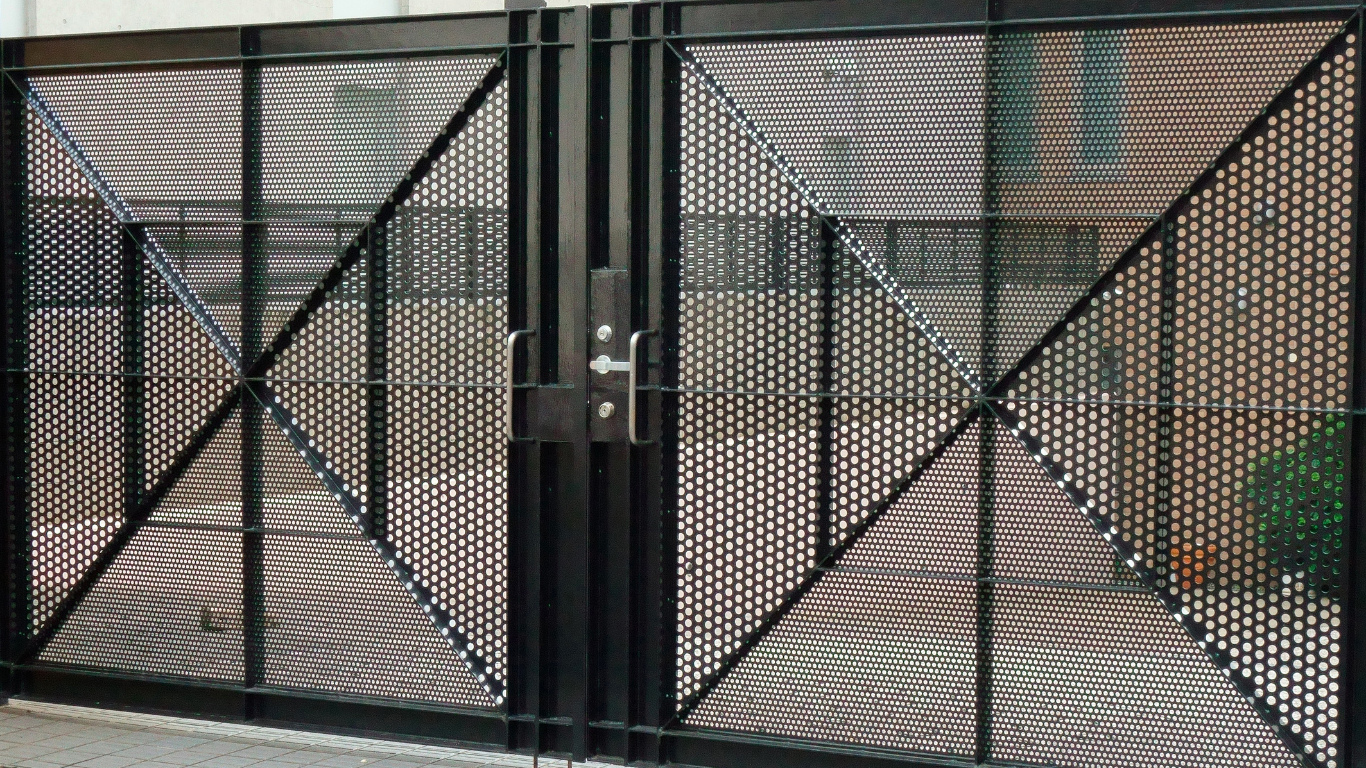
Gates and Access Points
The gates on your pet fence should be
secure and
easy to lock. Consider a gate that can’t be pushed open or one that has a reliable locking system to keep your pet inside.
Ground Level Security
Ensure that your fence is
secured to the ground. Some pets, especially dogs, can dig under fences to escape. Adding a
digging barrier at the bottom of the fence can help prevent this. You can also opt for
buried wire or
concrete barriers to make it harder for your pet to escape.
4. Maintaining Your Pet Fence
Once you've installed the right fence, it’s essential to maintain it to ensure it continues to serve its purpose. Regular inspection and maintenance will help avoid issues like damage, wear and tear, or loose posts.
- Check for loose panels or posts: A loose panel is an easy point of escape for your pet, so make sure everything is secure.
- Repair any holes: Especially with wood or vinyl, keep an eye out for cracks or holes in the material that your pet could slip through.
- Clean the fence: Clean your fence regularly, especially vinyl fences, to maintain its appearance and prevent dirt buildup.
Keep Your Pet Safe with the Right Fence
Choosing the right fence for your pet is essential to ensuring their safety and providing them with the freedom to enjoy the outdoors. Whether you choose a wood fence for its aesthetic appeal, a vinyl fence for its low maintenance, or an invisible fence for a more discreet option, the key is to select a fence that suits both your pet’s needs and your property.
By considering factors like height, material strength, gate security, and ground level protection, you can create a safe and enjoyable environment for your pet to thrive in.
If you're ready to install a pet-friendly fence that keeps your furry friends secure, Aztec Fence is here to help. Our team of experts can guide you in choosing the perfect fence and installing it with care. Contact us today for a consultation and ensure your pet’s safety with the best fence for your backyard.