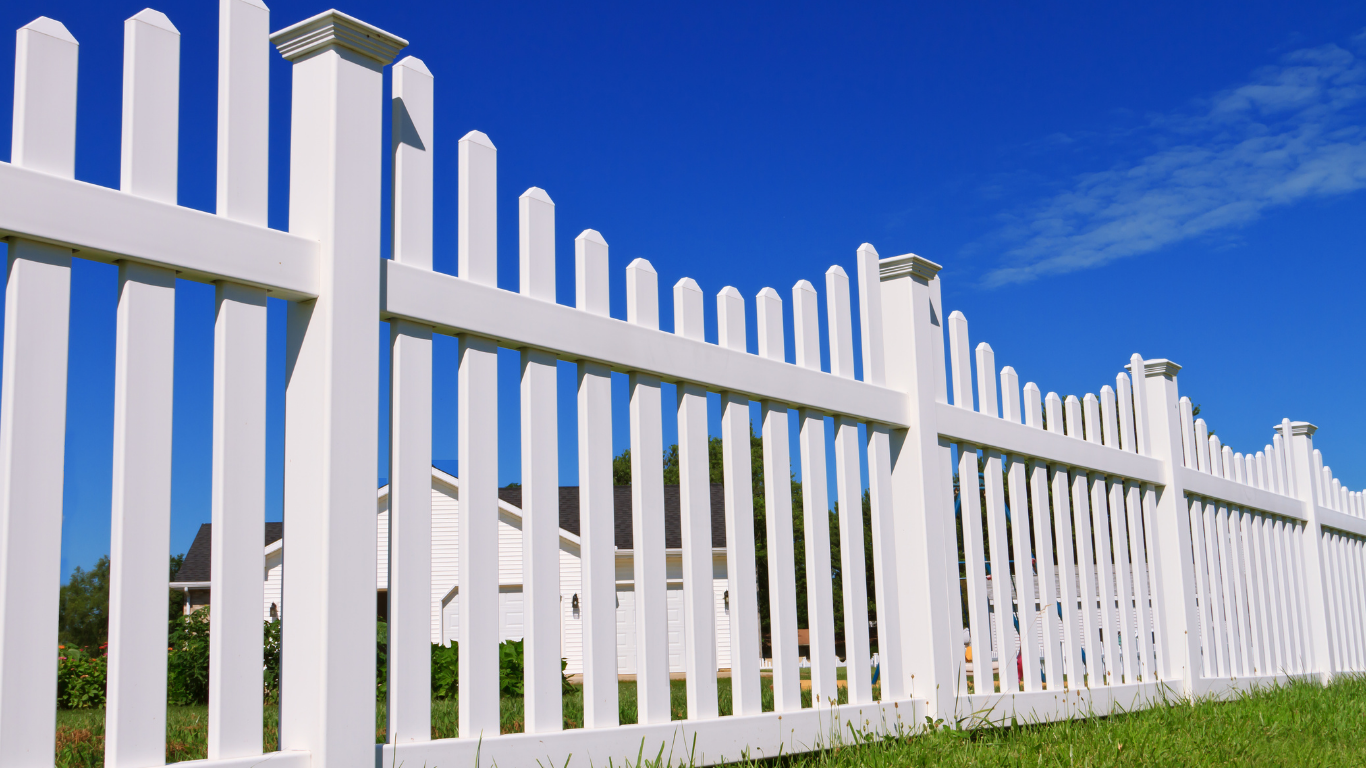
Installing a new fence is one of the most impactful ways to improve your property's privacy, security, and curb appeal. But whether you’re a homeowner in Imperial, CA tackling a DIY job or hiring a contractor, mistakes during fence installation can lead to costly problems down the road.
From unstable posts to zoning violations, even small errors can affect how well your fence functions—and how long it lasts.
In this guide, the experts at Aztec Fence LLC break down the five most common fence installation mistakes and how to avoid them for a successful, code-compliant fence that stands the test of time.
1. Skipping the Property Line Verification
The Mistake
Many homeowners assume they know where their property line is and start installing the fence without confirming it.
Why It’s a Problem
If your fence ends up even a few inches into a neighbor’s property or a utility easement, you could be forced to remove it. In some cases, you may also face legal disputes or fines.
How to Avoid It
- Review your property survey or plat map
- Hire a professional surveyor if needed
- Check with the City of Imperial for boundary information
- Consult your neighbors before installing near shared property lines
At Aztec Fence LLC, layout plans are verified against your property boundaries before installation begins.
2. Not Following Local Fence Height and Permit Regulations
The Mistake
Building a fence that’s too tall—or too close to a sidewalk—without checking city regulations or pulling the necessary permits.
Why It’s a Problem
In Imperial, CA, fences that don’t meet city zoning codes or HOA rules may need to be modified or torn down. Non-compliance can also result in delayed inspections or citations.
How to Avoid It
- Know the maximum fence height for front and backyard installations
- Understand rules for corner lots and sightlines near driveways
- Confirm if a permit is required based on fence size and location
- Check HOA guidelines if applicable
Aztec Fence LLC handles permit coordination to ensure full compliance with local requirements.
3. Improper Post Setting and Depth
The Mistake
Fence posts that are not set deep enough, evenly spaced, or properly anchored in concrete.
Why It’s a Problem
Fence posts are the foundation of the entire structure. If they’re misaligned or not deep enough—especially in Imperial’s sandy or shifting soil—your fence can lean, sag, or collapse over time.
How to Avoid It
- Set posts at least 2 feet deep or 1/3 of the total post length
- Use concrete footings for stability
- Allow concrete to cure fully before attaching panels or rails
- Ensure posts are level and evenly spaced
Professional installers account for soil type, terrain, and wind exposure to ensure long-term structural integrity.
4. Choosing the Wrong Fence Material for the Climate
The Mistake
Selecting a fence material based only on appearance without considering climate conditions.
Why It’s a Problem
In hot, dry climates like Imperial Valley, some materials can crack, warp, or fade quickly. Untreated wood and low-quality vinyl may deteriorate faster under intense sun and heat.
How to Avoid It
- Choose UV-resistant vinyl or sealed redwood/cedar
- Avoid low-grade materials that can’t handle extreme heat
- Consider wind resistance for tall panels or gates
- Work with a contractor familiar with local climate challenges
Aztec Fence LLC installs materials specifically suited for the harsh desert conditions of the Imperial Valley.
5. Ignoring Slope and Ground Leveling Issues
The Mistake
Installing a fence in a straight line without accounting for sloped terrain or grade changes.
Why It’s a Problem
On uneven ground, a flat fence can create large gaps that reduce privacy, security, and visual appeal. It can also place structural stress on the fence.
How to Avoid It
- Use stepped or racked fence panels depending on the slope
- Adjust post heights along the grade
- Take accurate measurements before cutting or ordering materials
- Plan for proper drainage clearance
Every installation should be tailored to the natural slope of the property to maintain clean lines and stability.
Bonus Mistake: Hiring an Inexperienced Installer
Fence installation may look simple, but it requires careful planning, proper tools, knowledge of local codes, and skilled craftsmanship.
Hiring an inexperienced contractor can lead to:
- Code violations
- Poor material selection
- Weak or unstable construction
- Warranty problems
- Project delays or poor communication
Working with a
licensed and insured local contractor is the best way to avoid these issues.
FAQs: Fence Installation Mistakes
Can I install my own fence to save money?
Yes, but DIY fence installations often lead to mistakes with post placement, permits, and materials. Professional installation can save money long-term by preventing costly repairs.
What permits are needed for a fence in Imperial, CA?
Permit requirements depend on the fence height, location, and purpose. Taller fences or those near sidewalks typically require approval.
How do I know my fence is being installed correctly?
Choose a reputable contractor, request a written installation plan, and conduct a final walkthrough once the project is complete.
Do HOA rules override city codes?
Both apply. HOA regulations can sometimes be stricter than city rules, so it’s important to review both before starting your fence project.
Get It Done Right the First Time
Avoiding common fence installation mistakes starts with choosing the right contractor. Aztec Fence LLC installs residential and commercial fences across Imperial, El Centro, Holtville, Heber, and nearby communities with a focus on quality workmanship, code compliance, and customer satisfaction.
From planning and design to final installation, every step is handled with care to ensure your fence is built to last.